
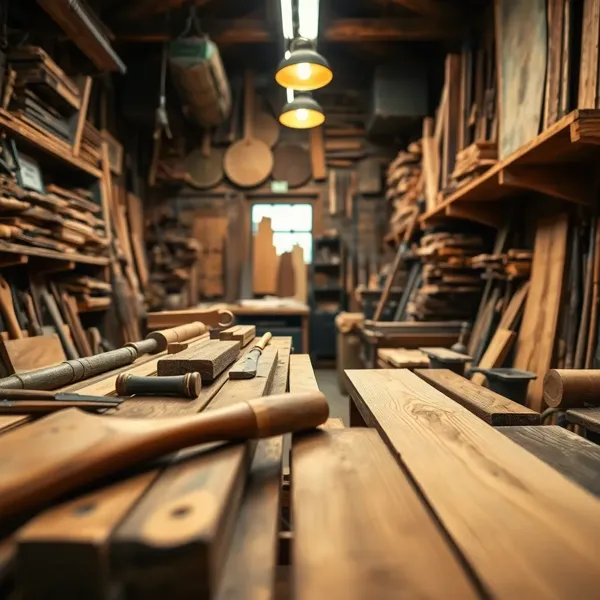
The Importance of Authentic Materials in Wood Replications
When it comes to historical wood replications, using authentic materials is essential for keeping our history alive. Just think about it: every piece of wood tells a story, connecting us to the past and the craftsmanship of earlier times. When woodworkers use genuine materials, they ensure that their projects reflect the true character and history of the era they’re replicating. On the flip side, using non-authentic materials can lead to inaccuracies, which might misrepresent our rich cultural heritage. This not only affects the final product but also robs future generations of experiencing the true essence of historical woodworking. Embracing authentic materials helps preserve the artistry and integrity of our woodworking traditions, making each project a valuable piece of history.
Identifying Historical Wood Species in Western New York
Using authentic materials in historical woodworking isn’t just about aesthetics—it’s also about accuracy and education. When woodworkers choose real historical wood, they help tell the story of the craftspeople who worked with that material long ago. This connection to the past enriches our understanding of history and architecture. Imagine walking into a room and noticing the beautiful grain of an old oak beam or the unique patterns of a walnut table; these details reveal the techniques and skills of earlier times. If we use modern or imitation materials, we miss out on these historical insights and nuances. Moreover, non-authentic materials can compromise the overall feel of the project, making it less relatable to those who appreciate the craftsmanship. Prioritizing authentic materials not only honors the past but also ensures that future generations can fully grasp the beauty and significance of our woodworking traditions.
Where to Find Authentic Historical Wood Materials
When it comes to sourcing authentic historical wood materials in Western New York, knowing where to look can make all the difference. Start by checking out local lumberyards and specialty wood suppliers that focus on historical woods. These places often have experts who can guide you in finding the right materials for your project. Don’t forget about antique shops and reclaimed material sources, where you might stumble upon unique pieces of wood with a story to tell. Online marketplaces and forums dedicated to historical materials are also fantastic resources. They connect woodworkers with others who share their passion for authenticity, offering tips and sometimes even rare finds. So, whether you’re in a shop or browsing online, keep your eyes peeled for those special materials that will bring your historical projects to life!
Evaluating Wood Quality and Authenticity for Replications
When you set out to replicate historical wood features, it’s crucial to know how to assess the quality and authenticity of the wood you’re considering. One key indicator is the grain pattern; authentic wood often has irregularities that showcase its natural beauty. Pay attention to the texture and color, too—older wood tends to have a richer hue that tells a story of age and craftsmanship.
When evaluating wood, it’s also important to examine its condition. Look for signs of wear or damage, which can indicate how well it has survived over time. Knowing the difference between restored and original materials can save you from making costly mistakes. Using the right techniques to find these indicators not only helps you choose quality wood but also ensures that your historical wood replications remain true to their authentic roots. Always remember: quality wood is the backbone of any successful woodworking project!
Embracing Authentic Materials in Historical Woodworking
As we move forward in our woodworking journeys, it’s essential to recognize the importance of using authentic materials. Sourcing historical woods not only honors the craftsmanship of the past but also ensures that our projects carry true historical integrity. By embracing these genuine materials, we can create stunning pieces that resonate with stories and connections to previous generations. So whether you’re a seasoned woodworker or just starting, remember that prioritizing authenticity can lead to more meaningful projects. A commitment to historical accuracy not only enriches our work but also preserves the artistry and teachings of earlier craftsmen. Let’s keep the spirit of historical woodworking alive, ensuring that future generations appreciate the beauty and significance of our shared heritage. Dive in, explore the resources available, and enjoy the rewarding journey of authentic woodworking!
Recent Comments