
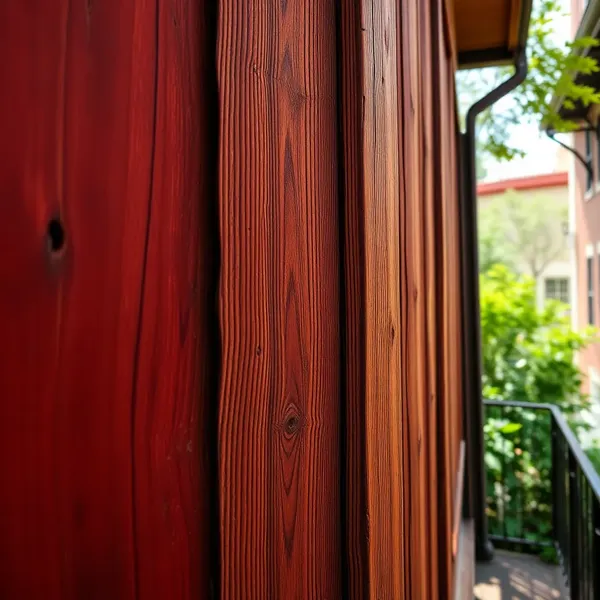
Understanding Historical Wood Repair’s Vital Role in Preservation
When it comes to preserving our history, every detail counts, especially when it involves the beautiful woodwork that tells the story of our past. Historical wood repair plays a vital role in maintaining the character and charm of old buildings, furniture, and fixtures. By repairing rather than replacing, we honor the craftsmanship of earlier generations while saving valuable resources. Just think about it: every scratch, knot, and grain pattern has a story to tell. Learning how to care for and repair this wood not only helps keep these stories alive but also connects us to the roots of our communities. With a little love and knowledge about historical wood, we can ensure that these treasures continue to shine for future generations to appreciate.
The Cultural Importance of Preserving Historical Woodwork
Historical woodwork is not just about beautiful craftsmanship; it’s a crucial part of our cultural heritage. From the intricate moldings in vintage homes to the sturdy beams in historic buildings, every piece of wood has its own unique story. By preserving this woodwork, we not only retain the beauty of our past but also maintain a connection to our community’s history. Each repair makes a statement about our values—choosing to save rather than discard, to respect rather than forget. When we invest time in learning how to care for these wooden treasures, we actively participate in a legacy that connects us to those who came before us. So, the next time you see a chipped banister or a weathered window frame, remember: your efforts in historical wood repair aren’t just about fixing a structure; they’re about keeping our collective story alive for generations to come.
Identifying Types of Historical Wood for Effective Repairs
When it comes to historical wood, it’s essential to recognize the different types that might be in your home or building. Often, you’ll find hardwoods like oak, walnut, or cherry, which were popular in earlier construction. Each of these types has unique characteristics, from the way they age to how they respond to repairs. Identifying the specific wood type you’re dealing with can greatly influence your repair approach. For instance, hardwoods tend to be more durable but may require special care during repairs to maintain their integrity. Additionally, understanding the wood’s age is crucial, as older pieces may have different properties compared to newer products. By knowing what you’re working with, you can choose the best techniques and materials for effective repairs, helping protect the charm and history of our wooden treasures for years to come.
How Historical Wood Differs from Modern Wood
Historical wood differs from modern wood in several key ways that are important to understand if you want to make successful repairs. For starters, older wood has often been seasoned for many years, which can make it much denser and more resilient than the freshly cut wood we find today. This density means it can be harder to work with, but it also usually has a richer appearance and more character, thanks to the way it was sourced and processed back in the day. Additionally, historical wood often features unique grain patterns and colors that give each piece its own personality, something that modern wood may lack. When repairing, it’s crucial to match these characteristics, as using new wood may alter the look and feel of your historic piece. By understanding these differences, you can ensure that your repairs honor the authenticity and beauty of the original woodwork.
Preserving History: Essential Wood Repair Takeaways
Preserving historical wood is about more than just fixing old structures; it’s a way of keeping our stories alive. Each time we repair a piece of woodwork, we’re not only restoring beauty but also honoring the craftsmanship of those who came before us. By understanding the types of historical wood and how they differ from modern materials, we can make informed decisions that protect our cultural heritage. Remember, taking the time to properly assess damage, choose suitable materials, and follow best practices will help maintain the character of these treasures. Whether you’re tackling a DIY project or hiring a professional, your efforts play a vital role in ensuring these wooden stories continue to be told for generations. So, let’s roll up our sleeves and embrace the challenge of preserving history—together, we can make a difference!
Recent Comments