
The Importance of Historical Wood in Western New York
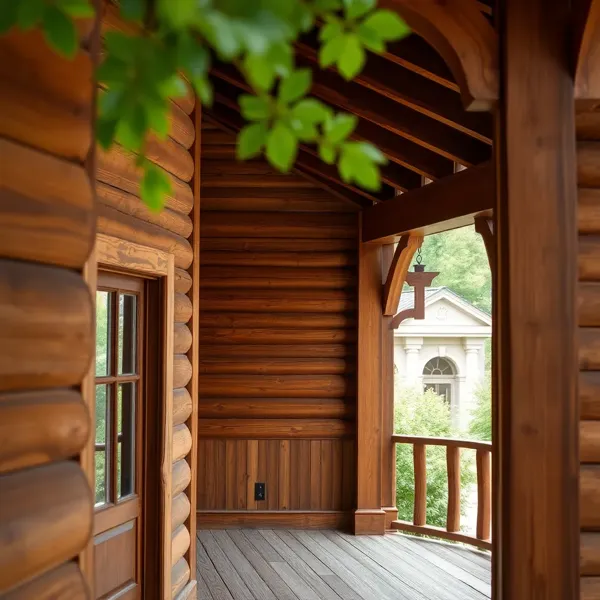
Wood features in Western New York tell stories that go beyond just aesthetics. Many homes and buildings boast original wood from the 19th and early 20th centuries, reflecting the craftsmanship and cultural heritage of that time. This historical wood not only adds character to your space but also connects us to the region’s rich past. Restoring these wood elements is essential, as it helps preserve unique architectural styles and keeps traditional craftsmanship alive. Plus, a well-maintained wood feature can increase the value of your property. By understanding the importance of historical wood, homeowners can appreciate the charm it brings to their homes and communities, ensuring that these stories continue to be told for generations to come.
Why Restoring Historical Wood Preserves Our Heritage
Restoring historical wood is not just about fixing up an old house; it’s about keeping our shared history alive. Each piece of wood has a story, connecting us to the lives of the people who built and lived in these homes long ago. By taking the time to restore these wooden features, we honor the hard work and dedication of craftsmen from the past. Plus, preserving this unique wood can make your home stand out, adding both beauty and value. When we care for historical wood, we ensure that future generations can enjoy the charm and character that makes Western New York so special. It’s a way to celebrate our heritage while making our homes feel warm and inviting. Embracing these gorgeous, original wood details helps keep the spirit of our region alive, one home at a time.
Assessing the Condition of Historical Wood for Restoration
When you’re looking at historical wood in your home, it’s important to check for signs of damage that could affect its beauty and integrity. Start by looking closely for cracks, splits, or discoloration on the surface. These issues can signal deeper problems like moisture damage or insect infestations. Pay attention to how sturdy the wood feels; if it feels soft or crumbles easily, that’s a red flag! Having the right tools makes this assessment easier. A moisture meter can help determine if the wood is too wet, while a magnifying glass can reveal hidden damage or wood-boring pests. Being aware of these key indicators will give you a solid foundation for planning your restoration project. Remember, understanding the condition of your wood is the first step toward preserving its beauty and history for years to come!
Essential Tools for Evaluating Historical Wood Condition
To successfully restore historical wood, it’s crucial to clean and prepare the surface properly. Start by removing any dirt, grime, or old finishes using a gentle cleanser and soft cloths. Be careful not to scrub too hard, as you don’t want to damage the wood underneath. Once the surface is clean, take time to dry it thoroughly to prevent moisture issues later on. After ensuring it’s clean and dry, assess any damage needing repair. Techniques like splicing or filling cracks with wood putty can work wonders. For larger issues, using epoxy is a great option to restore strength. Remember, the goal is to maintain as much of the original wood as possible while giving it a fresh lease on life. With this care in cleaning and repairing, your historical wood will shine again, preserving the stories it holds for years to come!
Celebrate Your Historical Wood Restoration Journey Today
Restoring historical wood is not just a project; it’s a journey that connects you to your home’s past. As you embrace the charm of these beautiful wooden features, consider joining local communities dedicated to heritage preservation. There are plenty of events and resources available that can guide you along the way. Engaging with others who share your passion can inspire new ideas and techniques for your restoration efforts. Remember, every scratch and imperfection tells a story, reflecting the craftsmanship of another time. By celebrating these unique wood elements, you’re helping to keep the spirit of Western New York alive. So gather your tools, share your journey with others, and feel proud of the part you’re playing in preserving history for future generations!
Recent Comments