
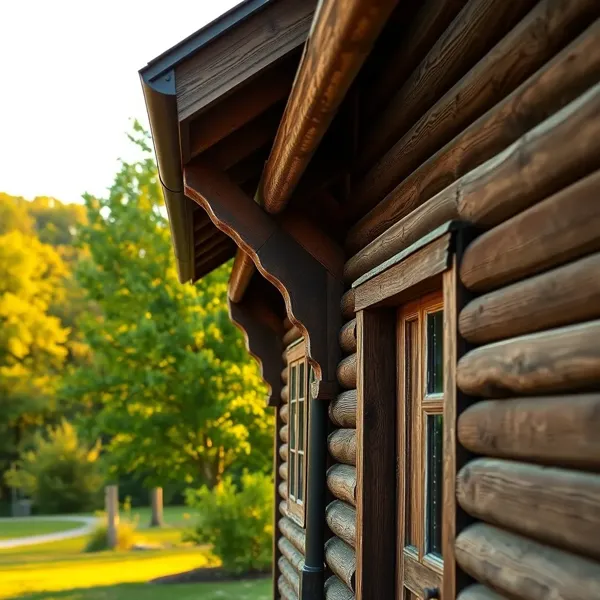
The Importance of Historical Wood in Western New York
When you think about the charming old buildings in Western New York, many have something special that sets them apart—historical wood. This wood isn’t just for looks; it tells the story of our past and connects us to the craftsmanship of yesteryears. From beautiful homes to iconic structures, preserved wood adds character and warmth to our architecture. By keeping these wooden elements intact, we help preserve the unique cultural heritage of our communities. Moreover, many of the historical woods found in the region, like oak and chestnut, showcase the rich natural resources that have shaped our landscape for generations. By valuing and restoring these materials, we not only protect our architectural history but also celebrate the vibrant stories our buildings tell.
Cost Considerations for Restoring Historical Wood in New York
Restoring historical wood in Western New York is like breathing new life into timeworn treasures. When we consider projects involving these unique wood materials, it’s essential to think about our budget. Many individuals wonder what to expect when it comes to costs. Typically, restoration projects can vary widely, depending on the size and condition of the wood. While some might consider tackling the job themselves, hiring a professional can save time and ensure quality work. It’s crucial to weigh these options carefully. Remember, investing in restoration often leads to long-term savings compared to replacing wood elements entirely. By choosing to restore rather than replace, you not only preserve the aesthetic of your space but also maintain the rich history these wooden features represent. With careful planning and the right approach, restoring historical wood can be a rewarding and cost-effective journey.
Assessing the Condition of Historical Wood for Restoration
When it comes to restoring historical wood, it’s important to know how to assess its condition before diving into a project. Start by looking for signs of rot, which often appears as soft or discolored areas on the surface. If you notice holes or tunnels, those might indicate a wood-boring insect infestation. Use tools like a moisture meter to check for dampness, as excess moisture can lead to further damage. Don’t forget about wear and tear from the years—scratches and dents may not seem major, but they can affect the overall integrity. Taking the time to thoroughly inspect the wood will help you determine what repairs are needed and whether to enlist the help of a professional. By accurately assessing the condition of your historical wood, you’re setting the stage for a successful and cost-effective restoration that keeps your piece of history intact.
Eco-Friendly Techniques for Restoring Historical Wood
When we think about restoring historical wood, we can’t overlook the importance of eco-friendly techniques. Using traditional methods can be effective, but incorporating modern innovations can make the process even easier and safer for the environment. For instance, natural cleaning products are a great choice for removing dirt and grime without harmful chemicals, ensuring that the wood stays healthy. Heat treatments are another excellent option; they can eliminate pests without using harsh pesticides. Plus, these techniques often save money in the long run. By combining eco-friendly methods with smart restoration strategies, we can not only breathe new life into our cherished wood but also protect our planet. So, as you consider restoring that beautiful old wood, remember that you have options that are kind to both your budget and the environment!
Future of Historical Wood Restoration in Western New York
As we look to the future of restoring historical wood in Western New York, it’s clear that preserving our heritage is more important than ever. Each restored wooden element helps tell the story of our past and enriches our communities. Getting involved in local restoration projects not only fosters a sense of connection and pride but also brings people together. With many resources available, like grants and professionals such as ProBuilt, there are plenty of ways to make these projects feasible and cost-effective. By embracing these strategies, we can ensure that the beautiful architecture of our region remains intact for future generations to enjoy. So, let’s come together, make our voices heard, and continue to celebrate and protect the rich history that makes Western New York unique. Your efforts can make a difference!
Recent Comments