
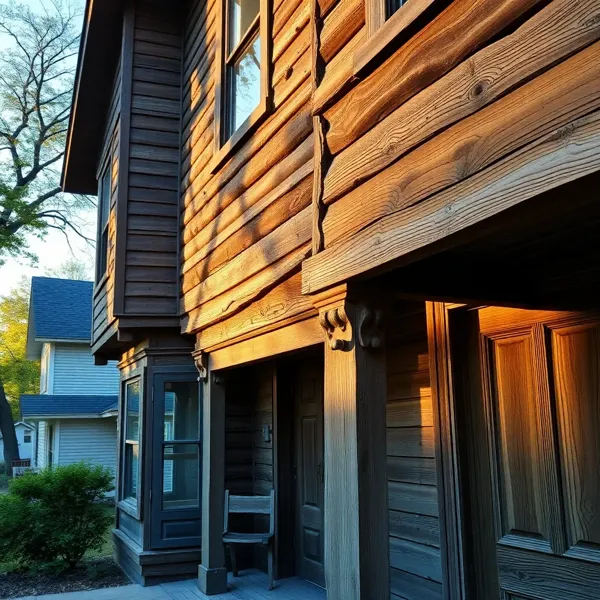
Understanding Wood Damage in Historic WNY Homes
When it comes to older homes in Western New York, wood damage is often the silent enemy lurking beneath the surface. Many homeowners may not realize the significance of recognizing wood damage early on. Ignoring these issues can lead to costly repairs down the line and even threaten the structural integrity of your beloved historic home. From rotting beams to warped flooring, wood damage often stems from moisture or pests. Understanding these risks is crucial for maintaining not just the beauty of your home, but its safety as well. By learning to identify common types of wood damage, such as mold, insect infestation, and water stains, you can take important steps to protect your investment and ensure its longevity for years to come.
Identifying Common Types of Wood Damage in WNY Homes
In Western New York, there are several common types of wood damage that homeowners should be aware of. First, there’s rot, which happens when wood absorbs too much moisture and starts to decay. This can often be found in areas like basements or around windows and doors. Another issue is insect infestation, particularly from termites or carpenter ants. These pests can eat away at the wood, weakening the structure of your home. Additionally, look out for signs of mold, which can grow in damp areas and cause health problems for you and your family. Water stains on walls or ceilings are also red flags indicating that there might be a leak somewhere in your home. By knowing these signs, you can act quickly to prevent further damage and protect your historical property.
Understanding the Impact of Wood Damage on Home Integrity
When it comes to owning a historic home in Western New York, understanding how wood damage can impact its overall integrity is key. Wood plays a crucial role in your home’s structure—from supporting walls to framing roofs—so any damage can lead to serious issues. For example, if you have rot in your beams, it can compromise the stability of the entire house. Furthermore, pest infestations like termites or carpenter ants not only eat away at wood but can also weaken vital support systems. Water damage, often seen with stains or warps, can lead to mold growth, which can be harmful to your family’s health. Regularly checking for these issues not only preserves the beauty of your home but also keeps it safe for years to come. The sooner you catch these problems, the better chances you have of maintaining the integrity of your beloved historic property.
Identifying Sources of Wood Damage in Historic WNY Homes
When it comes to keeping your historic home safe, knowing how to spot wood damage is essential. One of the biggest culprits is moisture. Too much humidity can make wood swell and rot, especially in areas like basements or near windows. Another threat comes from insects, such as termites, which can silently munch away at your home’s wooden structures, leaving you with severe issues down the road. Look for signs like small holes in the wood or piles of dust, which can indicate an infestation. Water stains on walls or ceilings are also important to check; they could mean a hidden leak is causing damage. By knowing what to look for, you can catch these problems early and protect your historic home from costly repairs and safety risks. Regular inspections are key to ensuring your home remains a safe and cherished place for years to come.
Protecting Your Historic Home from Wood Damage Issues
Taking care of your historic home means being proactive about wood damage. Remember, early detection is essential! Regularly inspect your home for signs of rot, insect infestations, or water damage—these can cause serious problems if ignored. By staying informed and keeping a watchful eye, you can protect your investment and ensure its beauty for generations to come. If you notice any issues, consider whether to tackle the fixes yourself or call in an expert. ProBuilt is here to help! We specialize in wood restoration and can guide you through the process. Don’t wait until small problems become big headaches; reach out to us today for expert advice and support in safeguarding your cherished home from wood damage.
Recent Comments